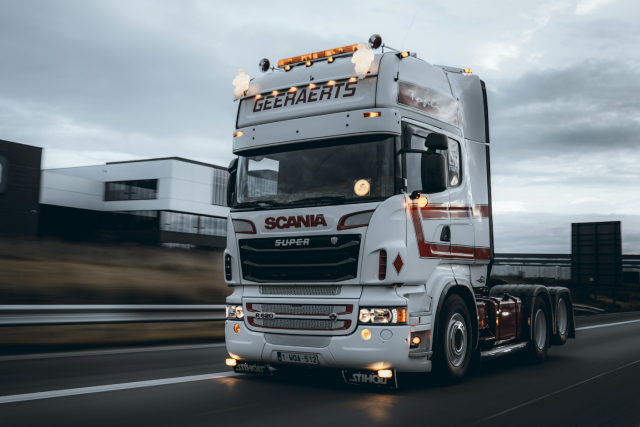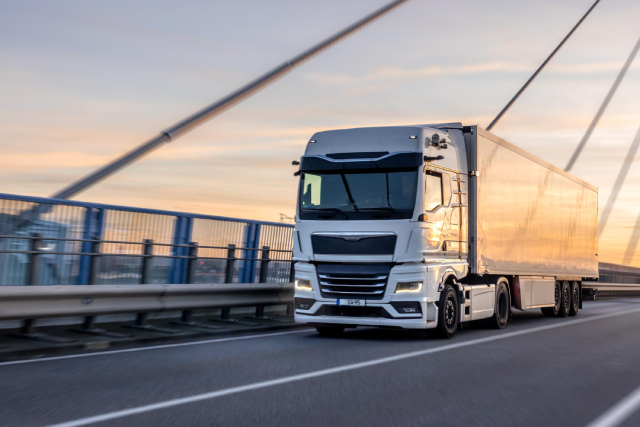
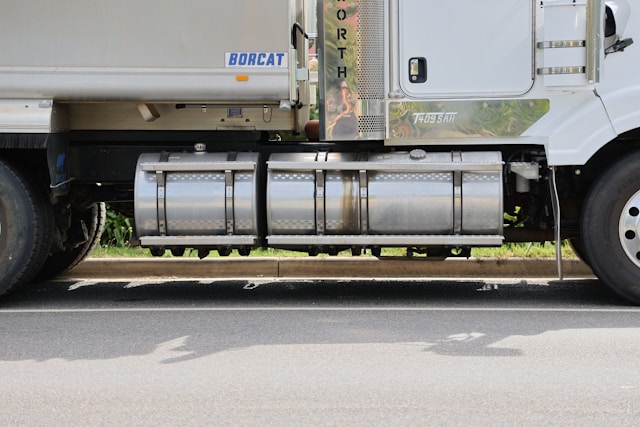

The transport industry is changing at a rapid pace. Where we once relied blindly on diesel, we are now looking towards a future with a mix of fuels. Whether you’re an owner-driver or run a large transport company, the question isn’t whether you’ll switch, but when and to what.
In this article, we take a closer look at the main alternatives to diesel. What are their advantages and disadvantages? And more importantly, which fuel is right for your journeys?
Why switch to alternative fuels?
The pressure to reduce CO2 emissions is growing. This is not only due to stricter environmental zones in cities, but also to the introduction of the truck toll in 2026 and new rules such as the Eurovignette Directive. In addition, clients are increasingly asking for ‘green’ transport. Fortunately, there are now fully fledged alternatives that make zero emissions possible.
The 4 main alternatives at a glance
Electric driving (Battery electric)
Electric trucks are making huge strides and have become the face of sustainable transport. These vehicles produce no emissions while driving and are extremely quiet, which is a major advantage for night-time journeys through busy residential areas. Drivers enjoy exceptional comfort thanks to the absence of vibrations and engine noise. This option is ideal if you drive set routes and have the option to charge at your own premises. Although range and battery weight remain concerns for heavy transport, current subsidies make the switch much more financially attractive.
HVO (Hydrotreated Vegetable Oil)
If you want to make a major reduction in CO2 emissions as soon as tomorrow without buying a new truck, HVO is the perfect solution. This fossil-free diesel substitute is made from waste oils and fats and can often be used directly in a modern diesel engine. It immediately reduces your CO2 emissions by up to 90% without requiring any technical modifications. It is the easiest way to make your operations more sustainable, although it is important to check the fuel's origin to ensure the climate benefits are maximized.
(Bio-)LNG and CNG
Liquefied natural gas (LNG) and compressed natural gas (CNG) have long proven themselves to be reliable alternatives to diesel, especially in heavy long-distance transport. With a range of up to 1,000 kilometres and refuelling times comparable to diesel, you’ll notice little difference to your schedule in practice. If you choose Bio-LNG, you can drive almost CO2-neutrally. For drivers travelling throughout Europe, it’s a strong choice, as the network of filling stations has now surpassed 800 locations and is still growing rapidly.
Hydrogen (Fuel Cell)
Hydrogen is often called the fuel of the future, especially for the heaviest loads and the longest distances, where batteries simply take up too much space and add too much weight. You can refuel a hydrogen truck in just a few minutes, and the only thing that comes out of the exhaust is pure water vapor. Although the infrastructure is still in its infancy, that is set to change quickly. The new European rules require a hydrogen refueling station every 200 kilometers along all major roads by 2030.
Which fuel will you choose? (Checklist)
To make the right choice, you need to look beyond the truck itself. Ask yourself the following questions:
- What range do you need? Can you get through the day on a single charge, or do you need the range of (Bio-)LNG?
- Where do you drive? Do you need to drive into the city often? An electric truck, for example, could be a good choice.
- Can you charge or refuel yourself? Do you have space for charging points on your own premises, or are you dependent on the public network?
- What are the ‘Well-to-Wheel’ emissions? Don’t just look at the exhaust; also consider how the fuel is produced. Green electricity or green hydrogen makes all the difference.
Mixing fuels is the new way to drive
There is no single ‘winning’ fuel. The future of road transport lies in a mix. Choose electric for urban distribution, Bio-LNG or, in the future, hydrogen for heavy long-distance work, and HVO is a great choice for making your current fleet more sustainable right away.
Would you like to work in the transport industry too?
Before you get behind the wheel of a state-of-the-art electric truck, you’ll naturally need your qualifications. At NuVrachtwagen.nl, we’ll help you get your truck theory sorted in no time, so you’re ready for the future of transport!