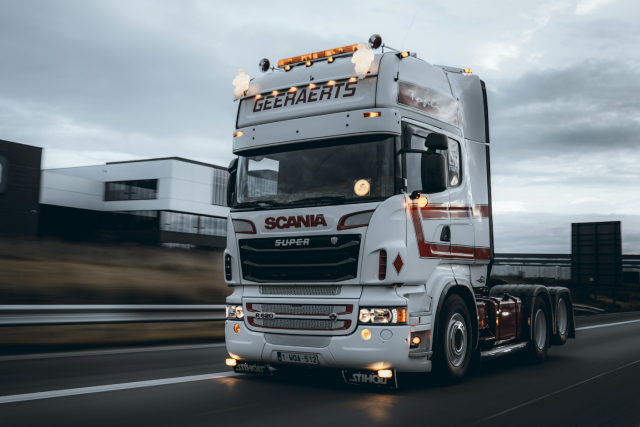
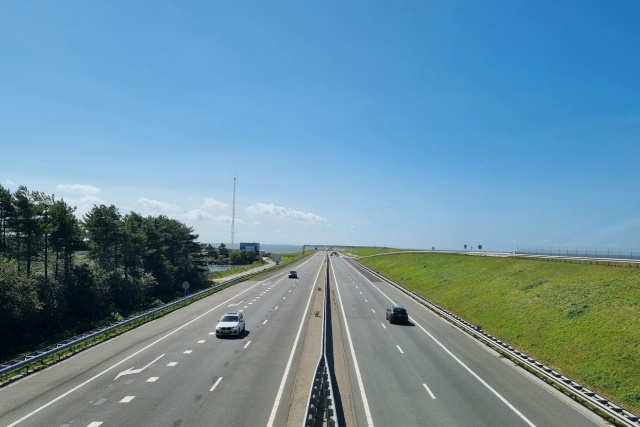

From 1 July 2026, a lot will change for everyone who uses Dutch roads in a truck. That’s when the truck levy comes into effect. This means that trucks over 3.5 tonnes will no longer pay a fixed amount through the Eurovignette or a high motor vehicle tax, but will pay per kilometre driven. In this article, you’ll read exactly what is going to change, why this measure has been introduced and how you can prepare for it.
Why introduce a truck toll?
The government wants to introduce a fairer and more sustainable tax system through the truck toll. The principle is simple: the more you drive, the more you pay. There will also be a clear distinction between cleaner and more polluting vehicles. Trucks that emit more will pay higher costs per kilometre, while fuel-efficient or zero-emission vehicles will pay less. This makes investing in a modern fleet more attractive.
An important benefit of the charge is that foreign trucks will also contribute to the use of our road network. Until now, Dutch transport companies often paid more than their foreign counterparts, but from 2026 there will be a level playing field. In addition, a large share of the revenue will be invested in the sector itself, for example in subsidies for zero-emission trucks and the construction of charging and refuelling infrastructure.
Who does the charge apply to?
The toll applies to all trucks with a maximum authorised mass of more than 3.5 tonnes. This means that both Dutch and foreign vehicles using the Dutch main road network must pay. The toll will apply on motorways and on a number of major provincial and municipal roads.
Not every vehicle is automatically subject to the levy. Emergency services and special vehicles, such as refuse trucks or cranes, are exempt. There are also separate rules for zero-emission trucks. For example, an exemption or discount may apply to encourage the switch to clean transport.
Exemptions and waivers
Not every truck has to pay the toll: there are specific cases in which an exemption or waiver may apply. Fully electric trucks and vans with a permitted maximum mass of up to and including 4,250 kg are exempt. The government is aiming to encourage the transition to zero-emission driving.
In addition, refuse trucks, street sweepers, sewer vacuum trucks and military vehicles are exempt from the toll scheme. Vehicles such as police cars and fire engines may also qualify for an exemption, as may trucks that are 40 years old or older, provided certain conditions are met. Find out more on the RDW website.
What else is changing?
With the introduction of the truck toll, several existing schemes will be discontinued. The Eurovignette will be abolished, and motor vehicle tax for trucks will be reduced to the statutory minimum. This means that transport operators will no longer be taxed twice. Some of the revenue from the new toll will also be used to compensate for the loss of these schemes.
How is the truck levy collected?
The way you pay is changing significantly. As a transport operator, you’ll soon enter into a contract with an approved toll service provider. They’ll supply an on-board unit (OBU) that is installed in the truck. This equipment records how many kilometres are driven on the toll roads. The provider then sends you the invoice and pays the money to the government.
If you drive internationally, you don’t need to worry about having to deal with all kinds of different systems. The Dutch toll is aligned with the European system, which means the same OBU can often be used in several countries, such as Germany, Belgium and Denmark.
What will it cost?
The rate depends on the truck’s weight and emissions. Cleaner vehicles pay less, while older, more polluting trucks pay more. The government has indicated an average guide rate of € 0,186 per kilometer (2025 price level), but the exact amount varies by vehicle category. Rates are indexed annually.
For a transport company, this means that costs will soon depend heavily on the type of fleet. Companies with modern Euro 6 trucks will pay less, while those still using many older vehicles can expect higher costs.
Where does the money go?
The revenue from the truck toll doesn’t simply disappear into the treasury. A large share flows back to the sector in the form of subsidies for zero-emission trucks and investments in charging and refuelling stations. Some of the money is also used to encourage innovation in logistics, for example through projects focused on consolidating transport and improving efficiency in planning.
This means the charge will not only be a cost, but also an opportunity for companies to make their fleets more sustainable and prepare them for the future.
What does this mean for you?
For many transport companies, costs will rise, especially if they still have a lot of older vehicles on the road. At the same time, the measure provides an incentive to invest in cleaner or electric trucks. The way companies work will also change. Route planning and efficiency will become more important, because every kilometre will literally count towards costs. In addition, using the OBU devices and handling invoices through toll service providers will involve extra administration.
How can you prepare for the truck toll?
It’s wise not to wait until 2026. Analyze your fleet now and see which vehicles fall into the higher rate categories. Make a plan to gradually invest in cleaner trucks and find out about subsidies such as the AanZET scheme. Optimizing routes and avoiding unnecessary mileage can also make a big difference to costs. Finally, it’s a good idea to contact a toll service provider in good time to arrange an OBU, so your trucks can hit the road without any problems.
In short
The truck toll will take effect on 1 July 2026 for all trucks over 3.5 tonnes. The Eurovignette will be abolished, motor vehicle tax will be reduced, and from then on you will pay per kilometer. The cost depends on your truck’s weight and emissions: clean and fuel-efficient vehicles pay less, while older vehicles will cost more. Most of the revenue will go back to the sector in the form of subsidies and investments in sustainability. For transport companies, this means higher costs, a greater focus on efficiency, and the opportunity to benefit from new schemes.
From 2026, every kilometer counts – make sure you’re ready.